
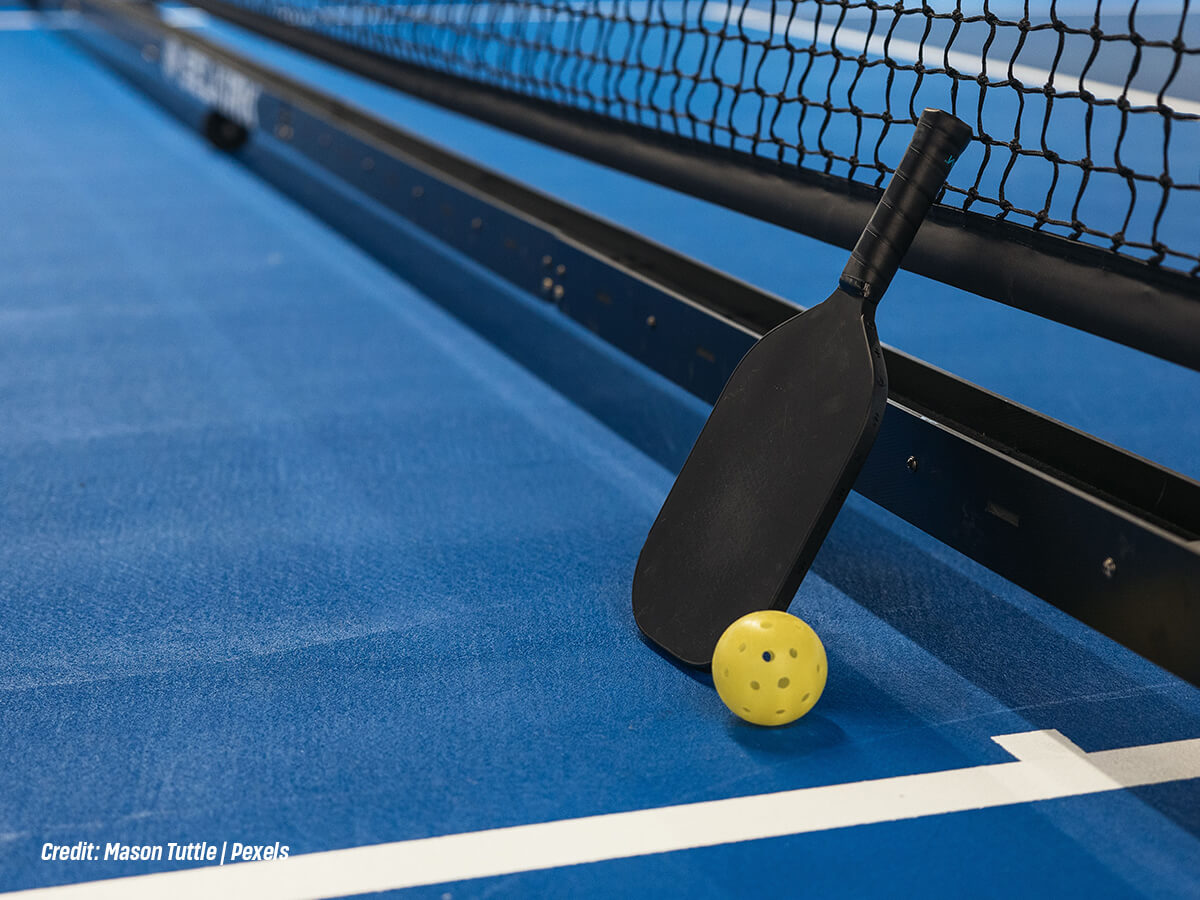
5 Soft Tissue Injuries in Pickleball and Other Fast-Growing Sports
The unprecedented rise of pickleball across Canada brings a parallel spike in orthopaedic clinical visits. Courts are packed, but so are waiting rooms. Players constantly subject their bodies to rapid deceleration, violent changes of direction, and repetitive overhead motions.
These mechanics place immense mechanical stress on ligaments, tendons, and muscles, turning a seemingly low-impact weekend pastime into a high-risk environment for musculoskeletal damage. Stop ignoring the pain.
The Biomechanical Reality of Racquet Sports
Pickleball, padel, and squash demand intense bursts of kinetic energy. The biomechanical reality of these activities involves constant eccentric muscle contractions, where the muscle lengthens under tension to act as a braking system. When a player lunges for a drop shot or sharply pivots to return a baseline drive, the lower extremity joints absorb force exceeding three times the person’s body weight.
Without adequate tissue tolerance, the collagen fibres comprising tendons and ligaments begin to micro-tear. The sport also requires repetitive upper-extremity torque. The paddle’s short lever arm alters the swing mechanics compared to traditional tennis, frequently forcing players to generate power through wrist snaps and elbow rotation rather than full-body kinetic chaining.
This concentrated stress quickly overwhelms underprepared tissues. Aging populations are particularly susceptible, as tendon elasticity naturally decreases over time, making structural overload highly probable without proper conditioning.
What Are the 5 Most Common Soft Tissue Injuries?
Sports medicine records consistently identify these five specific injuries as the most frequent casualties of fast-paced court sports.
1. Achilles Tendinopathy
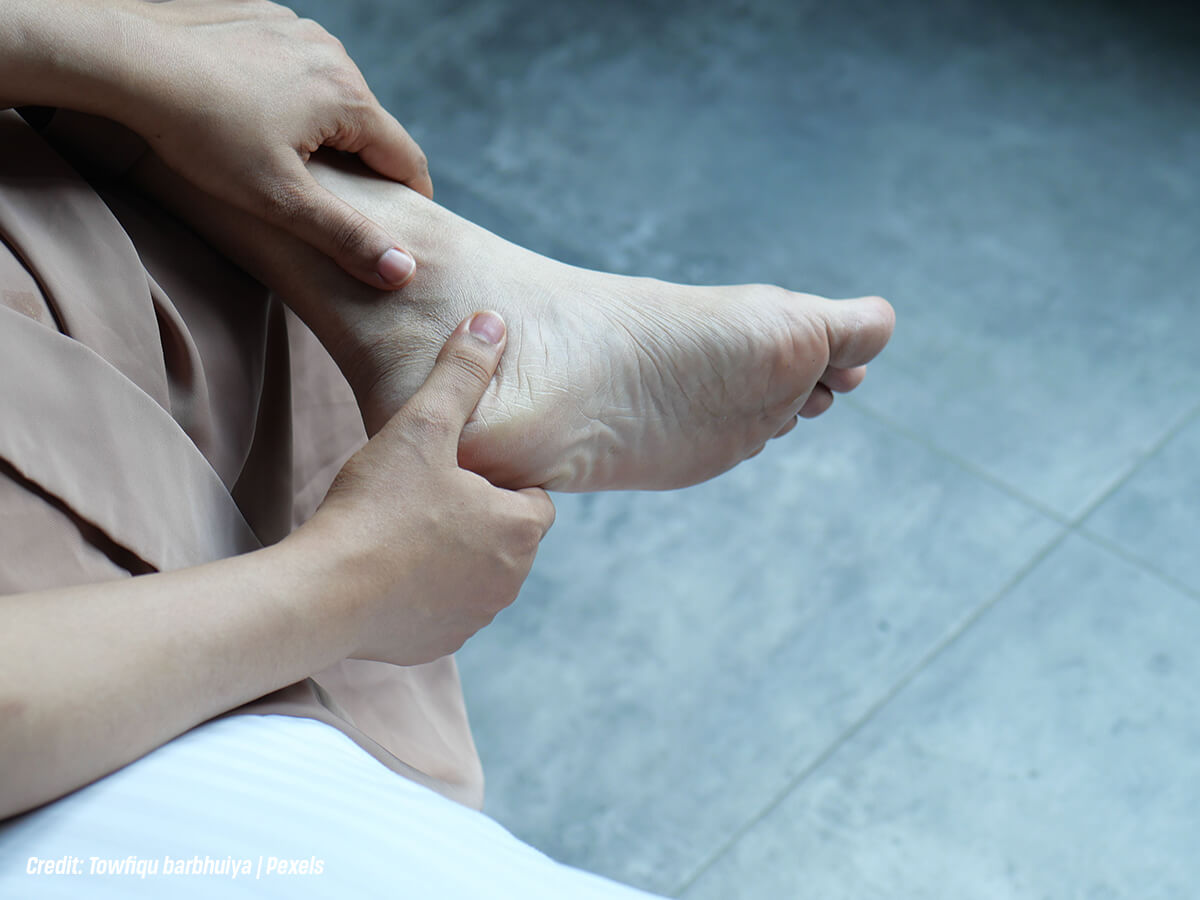
The Achilles tendon withstands massive loads during push-offs and sudden sprints. In fast-growing sports requiring rapid multi-directional movement, this thick band of tissue at the back of the ankle frequently suffers from acute overload. Players often report a sharp, burning sensation or stiffness in the morning.
Over time, repetitive micro-trauma without sufficient recovery periods leads to structural degeneration of the tendon, known as tendinopathy. The condition reduces push-off power and makes explosive court movements incredibly painful. Proper footwear with appropriate heel-to-toe drop and comprehensive calf strengthening protocols are critical to maintaining tendon resilience.
2. Plantar Fasciitis
Hard court surfaces mercilessly transmit shockwaves through the foot. The plantar fascia, a thick web of connective tissue supporting the medial arch, absorbs this ground reaction force. Constant pounding from split-stepping and lateral shuffling inflames this tissue near its insertion point at the heel bone. Symptoms typically present as a piercing heel pain during the first few steps out of bed.
For individuals seeking conservative management, establishing an accurate diagnosis through physiotherapy in North York ensures a structured rehabilitation pathway. Addressing underlying biomechanical deficits (such as overpronation or limited ankle dorsiflexion) remains vital for long-term resolution.
3. Rotator Cuff Strains
Overhead smashes and aggressive serves mandate extreme shoulder mobility and stability. The rotator cuff comprises 4 deep muscles responsible for centralizing the humeral head within the shallow glenoid socket. When a player repeatedly strikes the ball above shoulder height, these small muscles fatigue rapidly.
A fatigued rotator cuff fails to depress the shoulder joint, leading to impingement and subsequent tearing of the supraspinatus tendon. A progressive loading programme targeting the posterior shoulder musculature is essential. Weakness in the scapular stabilizers often precipitates these structural failures, highlighting the need for comprehensive upper-body conditioning before engaging in high-volume match play.
4. Lateral Epicondylitis
Commonly termed tennis elbow, this condition is equally prevalent in pickleball and badminton. Gripping a paddle too tightly while absorbing ball vibration creates significant shear force at the common extensor origin on the lateral aspect of the elbow.
The repetitive backhand stroke, particularly when executed with poor technique, isolates the forearm extensors instead of engaging the entire trunk for power generation. This chronic overload causes localized pain, weakened grip strength, and difficulty performing simple daily tasks like lifting a kettle. Correcting grip size, adjusting string tension or paddle weight, and implementing eccentric forearm exercises form the foundation of recovery.
5. Meniscus Tears
The knee joint relies on two C-shaped cartilaginous discs, the medial and lateral menisci, for shock absorption and load distribution. Rapid pivoting movements, especially when the foot remains firmly planted on a high-friction court surface, place extreme rotational shear forces across the joint line. This twisting motion can easily tear the delicate meniscal tissue.
Players might experience a sudden pop, joint line swelling, and mechanical symptoms like catching or locking during knee flexion. While some tears necessitate orthopaedic surgical intervention, many patients restore full functional capacity through targeted quadriceps and hamstring strengthening to support the compromised joint.
How Can Players Protect Their Muscles and Joints?
Injury prevention requires a systematic approach to physical preparation. A five-minute jog is insufficient. Players must implement dynamic warm-ups encompassing multi-planar lunges, thoracic rotations, and progressive speed drills to elevate tissue temperature and activate the central nervous system.
- Load Management: Limit match volume. Sudden spikes in playing time directly correlate with tendinopathy onset.
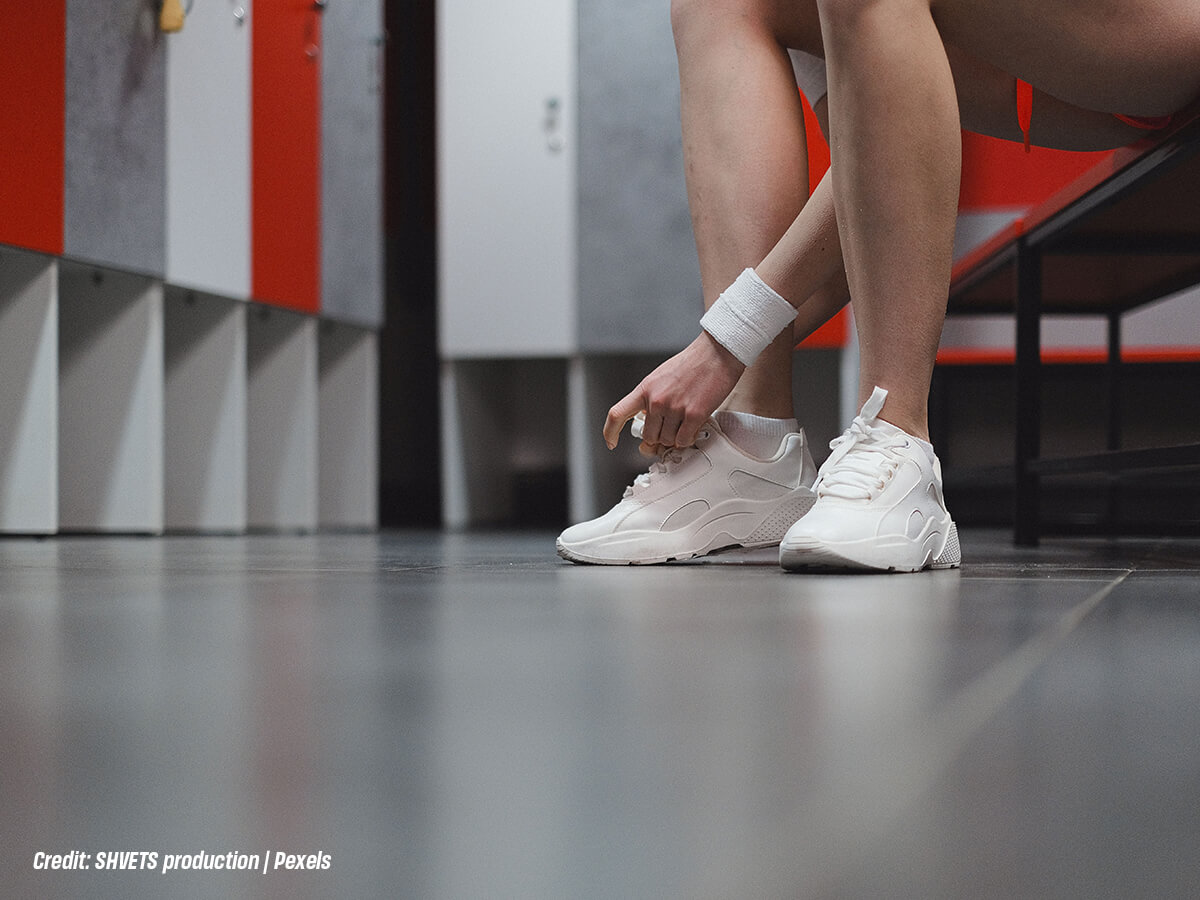
- Footwear: Avoid running shoes. Court shoes provide necessary lateral stability and specialized grip to prevent ankle inversions.
- Strength Training: Emphasize eccentric muscle contractions in the lower body to prepare for rapid deceleration.
Regular preventive measures, attention to exercise techniques, and timely treatment can reduce the risk of sports injuries and improve athlete recovery (Wang et al., 2024). Incorporating functional mobility work and adequate rest days allows tissues to remodel and adapt to the specific demands of the sport.
Evidence-Based Clinical Interventions
Ignoring soft tissue damage significantly increases the risk of chronic dysfunction. Canadian physiotherapy standards prioritize active functional restoration over passive modalities. Clinical assessments isolate the specific anatomical structure at fault and identify upstream biomechanical deficits contributing to the overload.
Treatment plans often incorporate manual therapy to modulate pain, followed immediately by progressive therapeutic exercise. Shockwave therapy and dry needling may serve as adjunct treatments to stimulate local blood flow and cellular repair in stubborn tendinopathies.
Ultimately, the objective remains restoring the tensile strength of the injured tissue, enabling the player to safely tolerate the high-velocity demands of competitive racquet sports.
Keep Your Game Strong and Stay on the Court
Pain should never dictate your playing schedule. Address minor aches before they escalate into debilitating structural tears. Reclaim your mobility and restore your competitive edge today. Book an appointment with Oriole Physiotherapy and Rehabilitation Centre by calling (416) 221-0772 to secure a sports rehab in North York.