

5 Signs You May Benefit From Vestibular Rehabilitation Therapy
The room spins uncontrollably. Standing up requires grabbing the nearest piece of furniture. A persistent sense of unsteadiness dictates daily routines. These symptoms indicate a dysfunction within the inner ear complex. Specialized rehabilitation restores balance and spatial orientation. Stop letting dizziness dictate your life.
How Does the Inner Ear Control Balance?
The vestibular system acts as the body’s internal GPS. Located deep within the inner ear, a network of fluid-filled semicircular canals and otolith organs constantly detects head movements. These microscopic structures send immediate electrical signals through the vestibulocochlear nerve directly to the brainstem.
The brain rapidly processes this data alongside visual inputs and proprioceptive feedback from muscles and joints. This complex integration allows humans to maintain upright posture, stabilize vision during movement, and perceive spatial orientation. Disruption to any component of this delicate pathway produces severe disorientation.
Pathological conditions like benign paroxysmal positional vertigo, vestibular neuritis, or Meniere’s disease alter these critical sensory transmissions. The brain receives conflicting information regarding the body’s position in space. The resulting sensory mismatch triggers intense dizziness, nausea, and postural instability.
What Are the 5 Signs You Require Vestibular Rehabilitation Therapy?
Clinical presentations consistently highlight these five specific functional deficits as primary indicators that the inner ear requires targeted recalibration.
1. Persistent Positional Vertigo
Brief episodes of intense spinning triggered by specific head movements strongly indicate mechanical dysfunction within the inner ear. Turning over in bed, looking up at a high shelf, or bending down to tie shoelaces often precipitate these debilitating attacks. Otoconia, which are tiny calcium carbonate crystals, can dislodge from their normal position within the utricle and migrate into the semicircular canals.
Head movements cause these crystals to shift, creating abnormal fluid currents that stimulate sensitive nerve endings. The brain falsely perceives violent rotation. Trained clinicians employ precise physical manoeuvres to relocate these microscopic debris particles. Attempting self-treatment risks exacerbating the condition or relocating the crystals into more problematic areas of the inner ear. Clinical testing isolates the specific semicircular canal affected by the debris.
2. Chronic Visual Blurring During Movement
The vestibulo-ocular reflex ensures visual focus remains locked on a target even while the head is in motion. A healthy inner ear sends rapid signals to the eye muscles, generating compensatory eye movements in the exact opposite direction of head rotation. Vestibular hypofunction degrades this reflex.
Walking down a grocery store aisle or turning the head to check a blind spot while driving causes the visual field to bounce or blur. This phenomenon, known as oscillopsia, creates significant visual fatigue and tension headaches. The eyes fail to make the minute adjustments necessary for clear vision.
Targeted exercises train the central nervous system to compensate for the diminished inner ear input, gradually restoring visual stability during dynamic activities. Engaging in physiotherapy in North York provides access to the necessary specialized assessments to quantify this visual-vestibular deficit accurately.
3. Unexplained Postural Instability and Falls

Frequent stumbling or a constant need to touch walls while walking signals compromised balance mechanisms. The lower extremities rely heavily on accurate vestibular data to execute appropriate muscle contractions for postural control.
A damaged inner ear provides delayed or inaccurate spatial information to the spinal cord and leg muscles. The body struggles to correct small losses of balance in real-time. Walking on uneven surfaces like gravel, grass, or plush carpets removes reliable proprioceptive feedback, forcing the brain to rely almost entirely on the flawed vestibular signals. Risk of serious injury from falls will increase significantly, particularly in older adults.
Individuals often adopt a rigid, shuffling gait to minimize the need for balance corrections. Supervised balance training on varying surfaces challenges the sensorimotor system to develop robust compensatory strategies.
4. Sensitivity to Visually Busy Environments
Complex visual stimuli overwhelm a brain dealing with compromised vestibular input. Scrolling through a smartphone, watching fast-paced television screens, or walking through crowded shopping malls triggers intense dizziness or nausea.
The central nervous system normally suppresses irrelevant visual information to maintain focus. A damaged inner ear forces the brain to over-rely on visual cues for balance. The excessive visual motion creates sensory overload. Patients frequently restrict their social and professional activities to avoid these triggering environments.
Supermarket aisles with bright fluorescent lights and repeating patterns present a major challenge. Habituation exercises systematically expose the individual to controlled visual stimuli, gradually desensitizing the brain and reducing the severity of the symptoms over time.
5. Lingering Concussion Symptoms
Mild traumatic brain injuries frequently disrupt the central vestibular pathways. Dizziness and balance impairments commonly persist long after the initial physical trauma has healed. The mechanical force of a concussion damages the microstructural integrity of the neural tracts connecting the inner ear to the brainstem and cerebellum. Standard rest protocols fail to address these specific neuro-functional deficits.
Post-concussion syndrome demands active, targeted rehabilitation to rebuild tolerance to cognitive and physical exertion. Whiplash injuries frequently accompany concussions, adding cervical spine dysfunction to the clinical picture.
Specialized physical tests differentiate between symptoms originating from the inner ear versus those stemming from cervical spine stiffness. Vestibular therapists design customized regimens addressing precise oculomotor dysfunctions, motion sensitivity, and exertional tolerance.
Evidence-Based Outcomes of Clinical Interventions
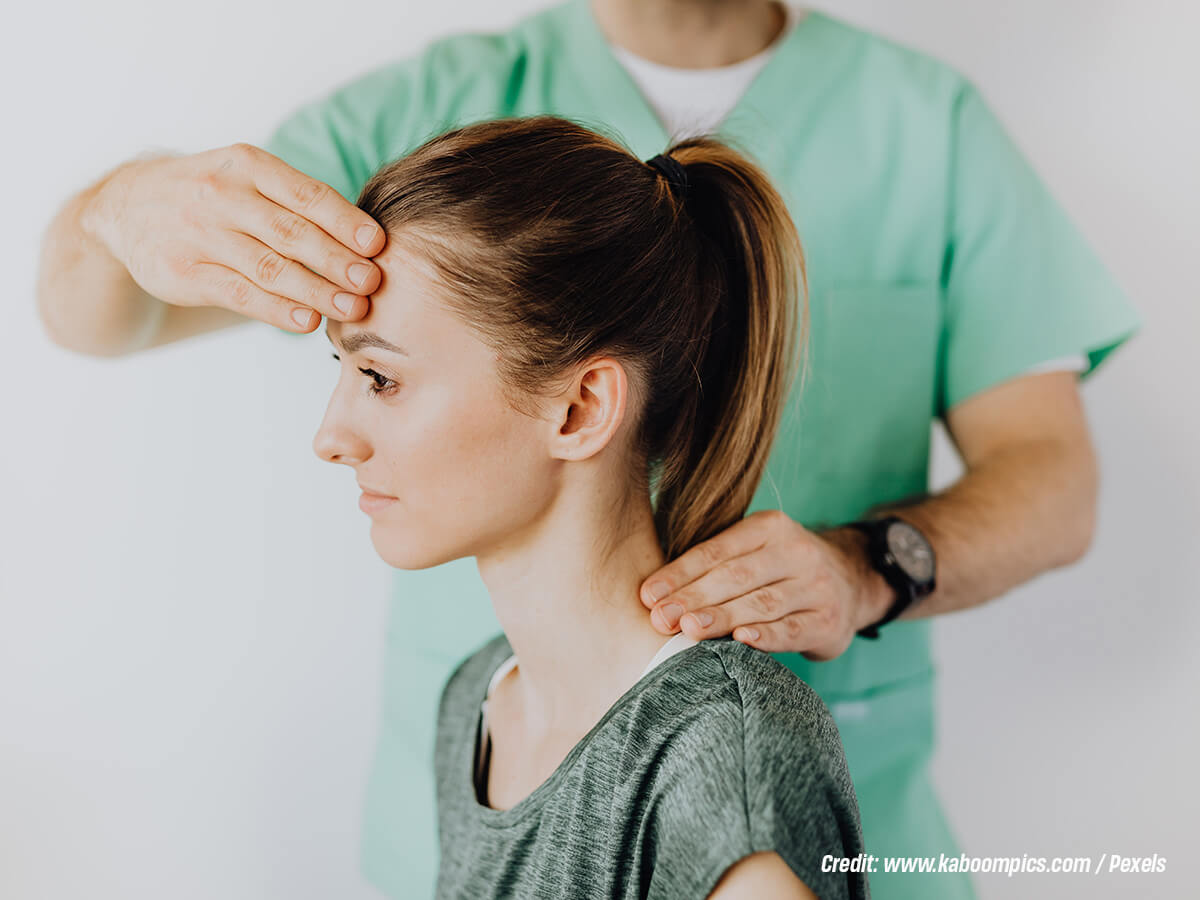
The efficacy of targeted inner ear rehabilitation relies on neuroplasticity. The brain possesses a remarkable capacity to reorganize neural pathways and develop compensatory mechanisms when guided by precise physiological stressors.
Clinical data strongly supports the implementation of these specialized exercise protocols over prolonged pharmacological management. Medications like vestibular suppressants offer temporary symptom relief but actively inhibit the brain’s ability to adapt to the sensory deficit. Vestibular physical therapy effectively reduces symptoms, improves gaze and postural stability, and enhances function in individuals with peripheral vestibular hypofunction (Hall et al., 2021).
Customizing the Treatment and Recovery Protocol
Therapists prescribe specific adaptation, habituation, and substitution exercises tailored to the objective findings of a comprehensive clinical assessment. Progression relies on systematic increases in exercise complexity, integrating head movements with dynamic balance tasks.
Compliance with the prescribed home exercise programme directly influences the speed and completeness of the functional recovery. Regular objective reassessments ensure the treatment protocol evolves alongside the patient’s neurological adaptations.
Reclaim Your Balance and Mobility
Persistent dizziness requires immediate professional assessment. Stop letting spatial disorientation limit your physical independence. Take proactive steps to restore your neuro-muscular control. Book an appointment with Oriole Physiotherapy and Rehabilitation Centre or call (416) 221-0772 to access vestibular physiotherapy in North York.