
Can Spinal Decompression Help with Herniated Discs?
Persistent back pain from a herniated disc often makes every movement feel like a heavy chore. When the soft gel inside a spinal disc presses against sensitive nerves, the resulting discomfort can be life-altering. Fortunately, spinal decompression offers a gentle way to address this pressure and help the body heal naturally without invasive procedures.
Understanding the Anatomy of a Herniation
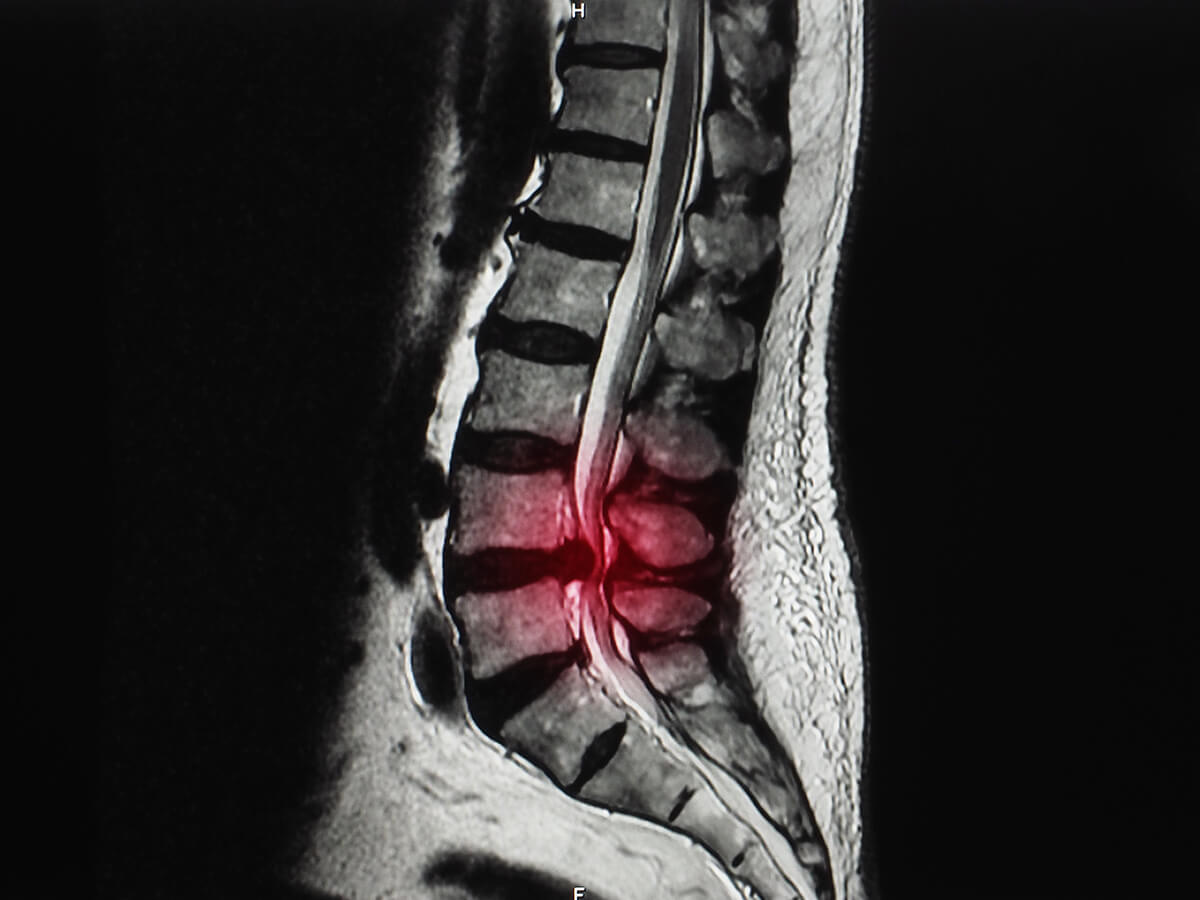
Your spine is made up of bones called vertebrae, and between them sit soft cushions known as discs. These discs act like shock absorbers, featuring a tough outer shell and a soft, jelly-like center. A herniation happens when that inner gel pushes through a crack in the outer layer, often causing sharp pain or numbness in your limbs.
Since discs lack a direct blood supply, they struggle to obtain the nutrients needed for repair. When the internal gel escapes, it can create a chemical irritation or physical pressure on the spinal cord. This is why a minor injury to the lower back can cause pain that radiates all the way down to your toes.
What is Spinal Decompression?
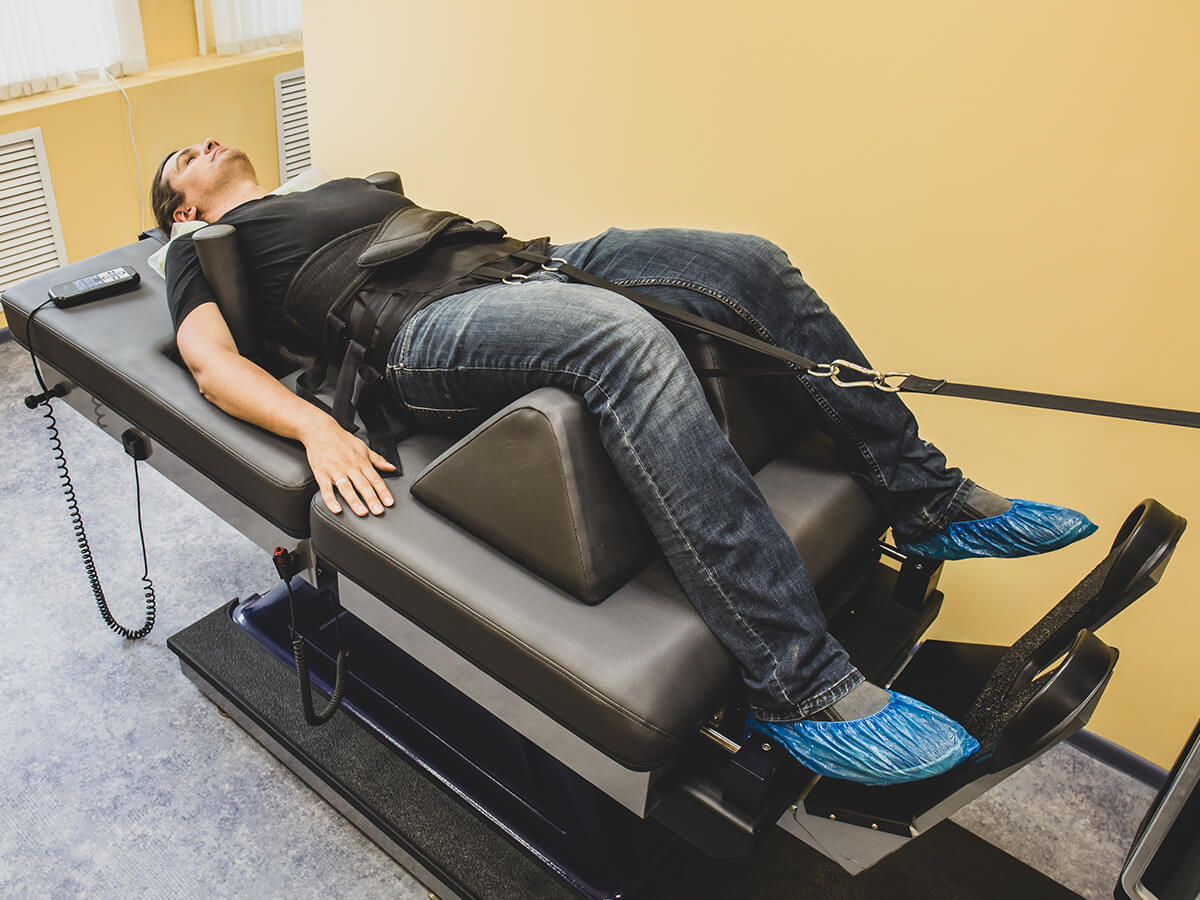
While some people think surgery is the only fix for a “slipped” disc, there are mechanical approaches to relieve pressure. Non surgical spinal decompression works by gently stretching the spine to change its position and force. This process aims to take the weight off your spinal discs by creating a vacuum effect that helps the discs retract.
The goal is to reverse the downward pressure caused by gravity and daily wear. Using a computerized table allows the treatment to focus on a specific area of the back or neck. This controlled stretching allows the displaced disc material to move away from the nerve, providing much-needed relief to the patient.
The Benefits: Why Choose This Path?
Choosing a mechanical approach to back health can save you from the long recovery times associated with the operating table. Spinal decompression treatment is designed to be a relaxing experience that targets the root cause of the pain rather than just hiding it. Many patients find that they can return to their favorite hobbies much faster than they expected.
- Natural Healing: The stretching motion helps fluids and oxygen flow back into the disc space. This encourages the body to repair the damaged tissue naturally over several weeks.
- Reduced Nerve Pressure: As the disc moves back into place, the pressure on your nerves drops significantly. This usually leads to a decrease in the “pins and needles” sensation in your legs or arms.
- Long-Term Mobility: Regular sessions help maintain the space between your vertebrae. This prevents future stiffness and allows you to move more freely in your daily routine.
What to Expect During Treatment
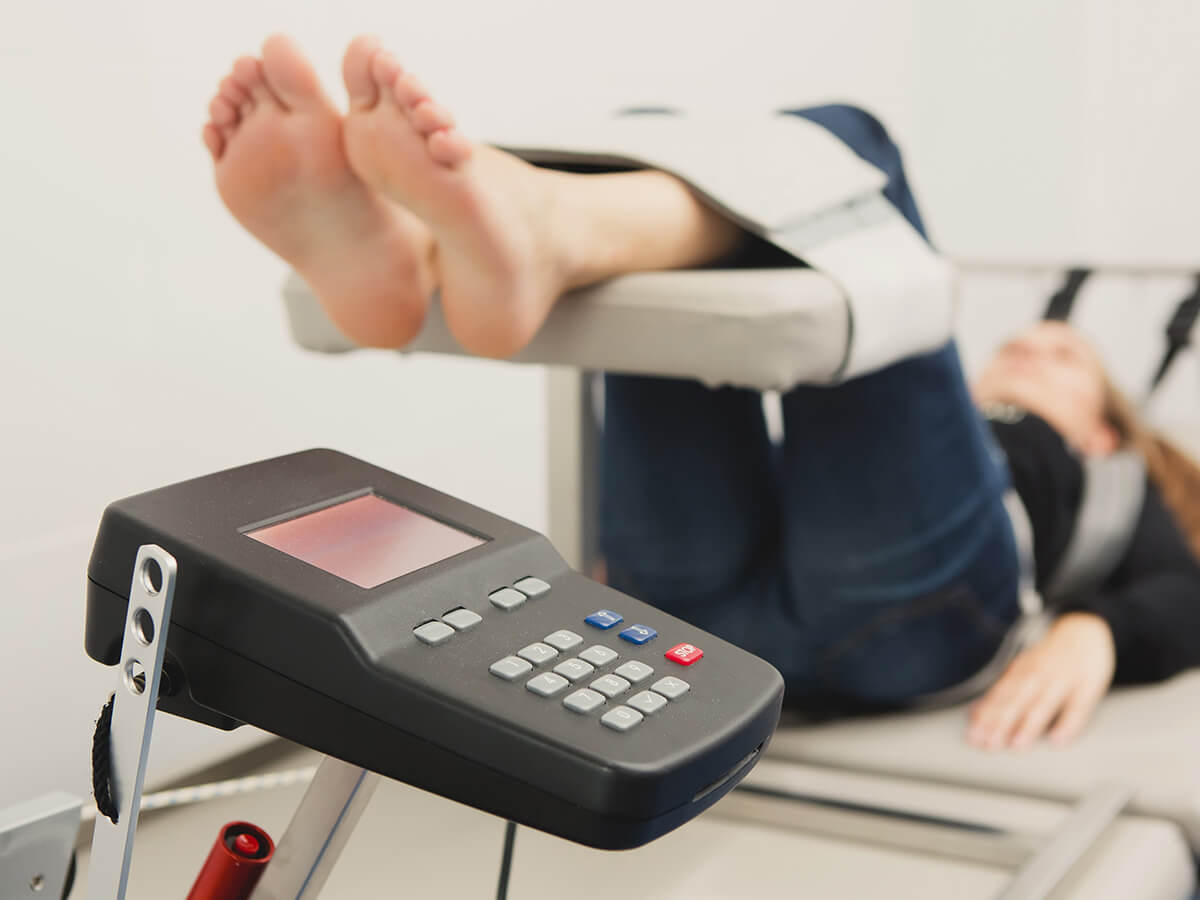
If you decide to try this approach, you will spend your sessions lying comfortably on a padded table. A harness is placed around your hips or neck to help the machine apply a precise amount of tension. During spinal decompression therapy, you will feel a gentle pull, but it should never feel painful or sharp.
Most sessions last about 30 to 45 minutes, depending on the severity of your condition. It is quite common for people to listen to music or even take a short nap while the equipment does the work. Your provider will monitor the settings to ensure the stretch is effective but still remains within your comfort level.
Candidates and Contraindications
This method is an excellent choice for individuals dealing with sciatica or bulging discs that haven’t responded to basic rest. However, it is not a good fit for everyone, especially those with certain bone structural issues. Knowing who should avoid this process is just as important as knowing who it can help.
- Ideal Candidates: People with chronic leg pain or numbness due to a disc injury usually achieve the best results. If you have tried basic stretching and ice packs without success, this might be the next logical step.
- Pregnancy: Expectant mothers should generally avoid this treatment due to the pressure the harnesses put on the midsection. It is better to wait until after delivery to address spinal alignment issues.
- Metal Implants: If you have screws or plates from a previous back surgery, the mechanical pull could cause complications. Your provider will need to review your history to ensure the equipment won’t interfere with existing hardware.
- Severe Bone Loss: People with advanced bone thinning may find the tension too much for their skeletons. A thorough screening helps determine if your bone density is high enough for a safe session.
Comparison: Decompression vs. Traditional Physical Therapy
Standard physical therapy often focuses on strengthening the muscles around the spine through active exercise. While those exercises are vital, spinal decompression addresses the internal pressure within the disc. Combining the two methods usually produces a much more stable and pain-free outcome for the patient.
In a typical therapy session, you are doing the work, but during decompression, the machine provides a passive stretch that your muscles can’t achieve on their own. This creates an environment where the disc can finally rest and absorb moisture. Once the disc is healthier, you can resume your exercises with a much lower risk of reinjury.
Finding the Right Care in Your Area
Many people begin their journey by searching for spinal decompression near me to see what local options are available. It is helpful to find a clinic that considers your overall lifestyle, not just your MRI results. Quality care involves a mix of modern equipment and a personalized plan that fits your specific needs.
If you are looking for spinal decompression in Ontario, you will find that many clinics offer integrated health services. This means you can get your mechanical treatments and your rehabilitative exercises in one place. Staying consistent with your appointments is the most important factor in seeing a real change in your pain levels.
Start Your Recovery at Oriole Physiotherapy & Rehabilitation Centre
If you are tired of living with radiating pain, it is time to take a proactive step toward your health. Our North York physiotherapy clinic provides a welcoming environment where your recovery is our primary focus. Call us today at (416) 221-0772 to discuss how we can help you move comfortably again.