

Spinal Decompression Therapy vs. Chiropractic Adjustments: Which Is Better?
Back pain affects millions of people every year and can range from mild discomfort to debilitating pain. Many patients seek treatments to reduce pain and improve mobility, with spinal decompression therapy and chiropractic adjustments being two popular options. Understanding the differences between these treatments can help patients make an informed choice for their spinal health.
Understanding Spinal Decompression Therapy
Spinal decompression therapy is a non-invasive treatment designed to relieve pressure on spinal discs. It involves stretching the spine to create negative pressure in the discs, which encourages natural healing. Patients often seek this therapy when traditional methods have not fully alleviated back pain or sciatica.
How Spinal Decompression Works
Spinal decompression therapy uses advanced techniques to relieve pressure on the spinal discs. By applying gentle, controlled stretching to the spine, this therapy creates negative pressure within the discs, allowing them to heal naturally. This process also improves blood flow and nutrient delivery, which supports overall spinal health and reduces pain over time.
- Mechanical Traction: The therapy uses a motorized traction table or specialized device to stretch the spine slowly and precisely. This controlled movement targets specific areas of the spine for optimal disc relief.
- Negative Pressure Creation: Stretching the spine generates negative pressure inside the discs. This helps retract herniated or bulging material and reduces pressure on surrounding nerves.
- Nutrient and Oxygen Flow: The negative pressure encourages better circulation of oxygen and nutrients to the discs. Enhanced nutrition supports tissue repair and overall disc health.
- Customized Sessions: Each session is tailored to the patient’s needs, ensuring safety and effectiveness. The device’s settings can be adjusted based on the severity and location of the spinal issue.
- Comfortable Procedure: Patients remain fully clothed and lie on a cushioned, specialized table during the therapy. The process is non-invasive and designed for maximum comfort throughout the session.
Overall, spinal decompression therapy is a precise and safe treatment option for those dealing with disc-related back pain. By combining mechanical traction, disc rehydration, and improved circulation, it addresses the root causes of discomfort rather than just masking the symptoms. This makes it a preferred choice for patients seeking non-surgical solutions for spinal issues.
Conditions Treated by Spinal Decompression
Spinal decompression treatment is often recommended for:
Herniated or bulging discs: The therapy helps reduce pressure on nerves and encourages disc material to return to its normal position.
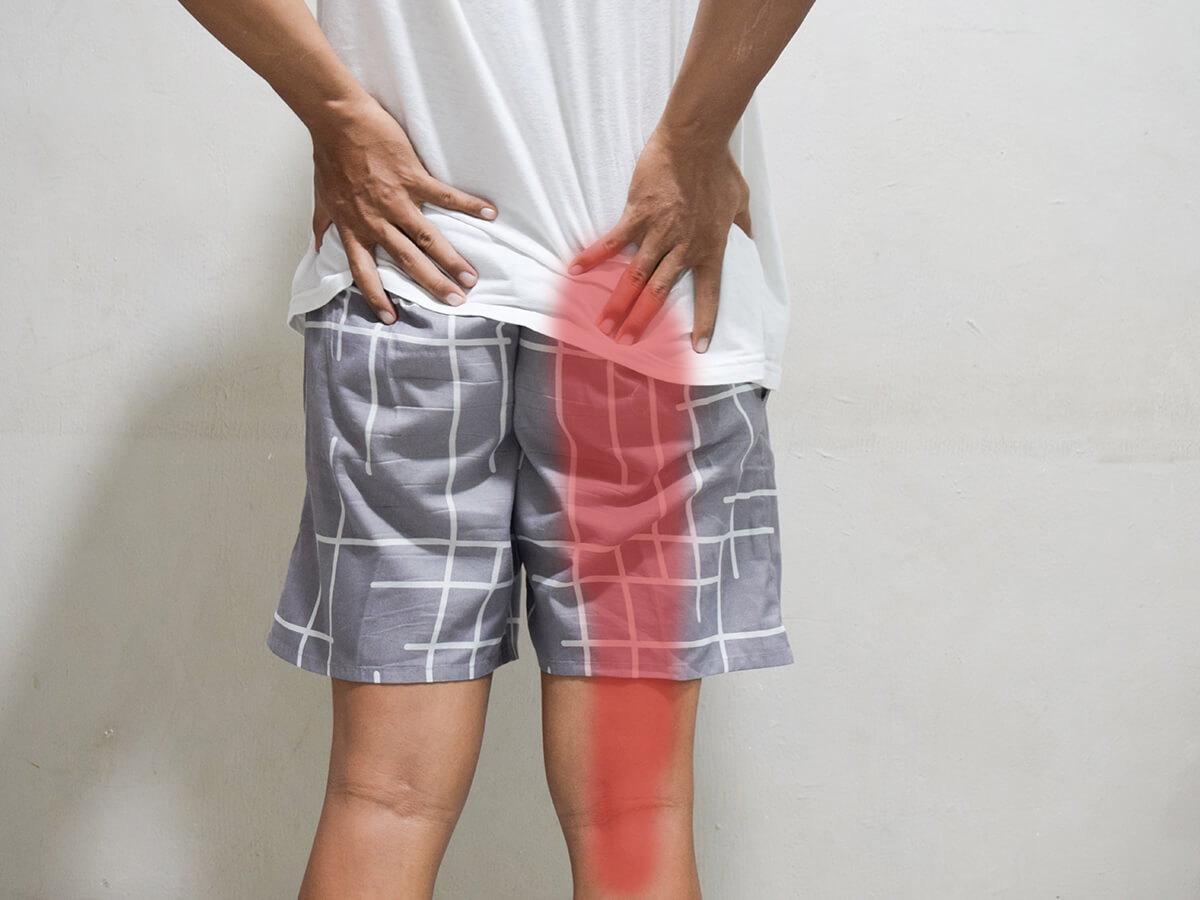
- Sciatica: Stretching the spine can relieve nerve compression, reducing radiating leg pain.
- Degenerative Disc Disease: Repeated sessions may help slow degeneration and decrease chronic discomfort.
- Facet Joint Pain: By reducing pressure on spinal joints, decompression can ease pain and improve movement in affected areas.
- Spinal Stenosis: Gentle traction may help open up compressed spaces in the spine, relieving nerve pressure and associated pain.
Many patients also report relief from lower back stiffness and improved spinal flexibility after several treatments.
Benefits of Spinal Decompression Therapy
Spinal decompression therapy offers a non-invasive approach to managing chronic back pain and spinal issues. It focuses on relieving pressure on spinal discs, improving mobility, and promoting natural healing without the need for surgery. Patients often experience noticeable improvements in pain levels, posture, and overall spinal function over time.
- Non-Invasive Treatment: Unlike surgical procedures, spinal decompression avoids cuts, anesthesia, and long recovery periods. Patients can undergo therapy safely while continuing daily activities.
- Targeted Pain Relief: The therapy specifically addresses disc pressure and nerve compression, reducing pain in affected areas. This allows for more precise and lasting relief compared with general pain management.
- Improved Mobility and Flexibility: By reducing nerve pressure and disc strain, spinal decompression helps restore range of motion. Patients often find it easier to perform everyday activities without discomfort.
- Supports Natural Healing: Negative pressure within the discs encourages nutrient flow and tissue repair. This enhances the body’s ability to heal damaged discs over time.
- Better Posture: Regular therapy sessions can reduce spinal misalignment and tension. Improved posture also reduces the risk of future back problems.
- Lower Risk of Complications: Compared with invasive surgery, non surgical spinal decompression carries minimal risks. It is safe for many patients who may not be candidates for surgery due to age or health conditions.
Potential Drawbacks of Spinal Decompression Therapy
While spinal decompression in Ontario is safe and effective for many patients, it may not be suitable for everyone. Understanding the potential limitations can help patients make informed decisions about their treatment plan.
- Multiple Sessions Required: Effective treatment typically involves 20–28 sessions over several weeks. Patients must commit time and effort to see significant results.
- Not Suitable for Certain Conditions: Patients with severe spinal instability, fractures, infections, or advanced osteoporosis may not be candidates. These conditions require alternative or more controlled treatments.
- Cost Considerations: Compared with standard chiropractic care, spinal decompression near me may be more expensive. Insurance coverage can vary, so patients should confirm costs before starting therapy.
- Gradual Results: Pain relief and mobility improvements often occur gradually over several sessions. Patients expecting immediate recovery may need to adjust their expectations.
- Limited Effectiveness for All Types of Pain: While highly effective for disc-related issues, spinal decompression may not address muscular pain or general back stiffness. Complementary therapies may be required for comprehensive relief.

Understanding Chiropractic Adjustments
Chiropractic adjustments focus on aligning the spine to improve joint function and reduce nerve interference. This treatment uses controlled, manual force applied to specific spinal joints. Chiropractors aim to restore proper alignment, which can relieve pain, improve mobility, and support overall musculoskeletal health.
How Chiropractic Adjustments Work
Chiropractic adjustments use precise manual techniques to realign the spine and joints. This approach relieves tension, improves nerve function, and supports the body’s natural ability to heal itself.
- Manual Spinal Manipulation: Chiropractors apply controlled force to specific spinal joints. This restores proper movement and alignment, reducing pain and stiffness in the back and neck.
- Improves Nervous System Function: Adjustments can relieve pressure on nerves that may cause pain, tingling, or numbness. Better nerve function helps the body respond more efficiently to injuries.
- Muscle Tension Relief: By adjusting the spine, surrounding muscles are able to relax. Reduced tension supports improved posture and prevents further strain or discomfort.
- Individualized Treatment Plans: Chiropractors assess posture, alignment, and muscle condition before recommending adjustments. Each plan is tailored to the patient’s specific needs and goals.
- Complementary Exercises: Patients may be provided with stretches or strengthening exercises. These exercises enhance the effects of adjustments and reduce the likelihood of recurring pain.
Conditions Treated by Chiropractic Adjustments
Chiropractic care is widely used for various musculoskeletal conditions:
- Back and Neck Pain: Adjustments can relieve discomfort and improve posture.
- Headaches and Migraines: Misalignments in the spine can contribute to nerve irritation causing headaches.
- Joint Stiffness and Limb Pain: Chiropractic care can enhance mobility and flexibility in the arms, legs, and back.
- Sports Injuries and Strains: Chiropractic adjustments can help reduce pain and support recovery from athletic injuries by improving joint function and muscle balance.
Benefits of Chiropractic Adjustments
Chiropractic adjustments are an effective, non-invasive method for relieving back and neck pain. They focus on restoring spinal alignment while improving overall mobility and function.
- Immediate Pain Relief: Many patients feel reduced discomfort after the first adjustment. Quick relief allows easier movement and faster return to daily activities.
- Non-Invasive and Drug-Free: Adjustments avoid surgery or medications, lowering risks and side effects. This makes them suitable for patients of all ages.
- Improved Joint Mobility: By restoring proper alignment, adjustments enhance range of motion in the spine and limbs. Better mobility supports overall functional movement and flexibility.
- Supports Nervous System Function: Proper spinal alignment reduces nerve pressure and promotes better nerve signaling. This can improve body functions and overall well-being.
- Prevention of Recurring Issues: Combined with targeted exercises, chiropractic care strengthens muscles and improves posture. This reduces the risk of future back or neck problems.
Potential Drawbacks of Chiropractic Adjustments
While chiropractic care is generally safe, it may not be suitable for all patients or all conditions. Knowing the potential limitations can help individuals make an informed decision about treatment.
- Temporary Soreness or Stiffness: Some patients experience mild discomfort after an adjustment. This usually resolves within a day or two and is a normal part of the body adapting to realignment.
- Limited Effectiveness for Severe Disc Issues: Adjustments may not fully address herniated discs or complex spinal conditions. Other therapies, such as spinal decompression therapy, may be needed for comprehensive relief.
- Ongoing Care May Be Required: Chronic or recurring spinal problems may require regular adjustments. Commitment to consistent care is important for maintaining long-term benefits.
- Not Suitable for Certain Medical Conditions: Patients with fractures, severe osteoporosis, or spinal infections may not be candidates. A thorough medical evaluation is necessary before beginning treatment.
Combining Spinal Decompression and Chiropractic Adjustments
Some patients benefit from combining both therapies. Using spinal decompression Ontario with chiropractic adjustments addresses multiple aspects of spinal health simultaneously. This approach can enhance pain relief and restore mobility faster than using a single method alone.
Benefits of Combined Therapy
Combining spinal decompression therapy with chiropractic adjustments addresses multiple aspects of spinal health simultaneously. This dual approach can provide both disc relief and improved spinal alignment for faster and more effective results.
- Comprehensive Pain Relief: Combining therapies reduces pressure on discs and corrects spinal misalignment. Patients often experience faster and more consistent relief compared with using either therapy alone.
- Enhanced Mobility and Flexibility: Decompression stretches the spine while adjustments improve joint function. Together, they allow smoother movement and better posture.
- Supports Long-Term Spinal Health: Addressing both discs and joints helps prevent future injuries. Patients can maintain healthier spine function over time with fewer flare-ups.
- Reduces Need for Medications: Effective non-invasive therapy can lower reliance on painkillers. This is beneficial for patients seeking natural and sustainable pain management options.
- Improved Recovery for Complex Conditions: Patients with multiple spinal issues, such as herniated discs combined with misalignment, often see faster progress. The combined approach tackles all contributing factors simultaneously.
Recommended Protocols
Effective treatment requires a structured and personalized plan. Combining spinal decompression Ontario and chiropractic care ensures each patient receives the therapy best suited to their condition.
- Start with Spinal Decompression: Initial sessions focus on relieving pressure from discs. This prepares the spine for alignment adjustments and reduces nerve irritation.
- Follow with Chiropractic Adjustments: Once decompression has reduced disc pressure, adjustments restore joint mobility and spinal alignment. This enhances overall function and reduces recurring pain.
- Incorporate Exercises and Stretching: Targeted exercises strengthen supporting muscles and improve flexibility. Stretching maintains gains and prevents stiffness between sessions.
- Tailor Treatment Plans: Each patient’s plan is customized based on their spinal condition, age, and health goals. Personalized care ensures safety and maximum effectiveness.
- Monitor Progress Regularly: Frequent evaluations allow therapists to adjust the plan as needed. Tracking improvements ensures consistent results and prevents setbacks.
Experience Relief with Spinal Decompression in North York Now
If you are struggling with back pain, consider spinal decompression in North York at Oriole Physiotherapy & Rehabilitation Centre. Our team evaluates your condition and creates a personalized treatment plan. Call us at (416) 221 0772 to book a consultation today to start improving your spine health and regain mobility safely.