
Shockwave Therapy vs. Traditional Physiotherapy: Which Is More Effective?
When dealing with musculoskeletal pain, patients often wonder which treatment option will provide faster and more lasting relief. Two common approaches are shockwave therapy and traditional physiotherapy. Both aim to improve mobility, reduce pain, and restore function, but they differ in technique, recovery time, and suitability for specific conditions.
What You Need to Know About Shockwave Therapy
Shockwave therapy has gained popularity in recent years as an alternative treatment for chronic musculoskeletal issues. It involves using high-energy sound waves to stimulate tissue healing, reduce inflammation, and promote blood flow. Patients often turn to shockwave therapy services when conventional treatments have not delivered the expected results.
How Shockwave Therapy Works
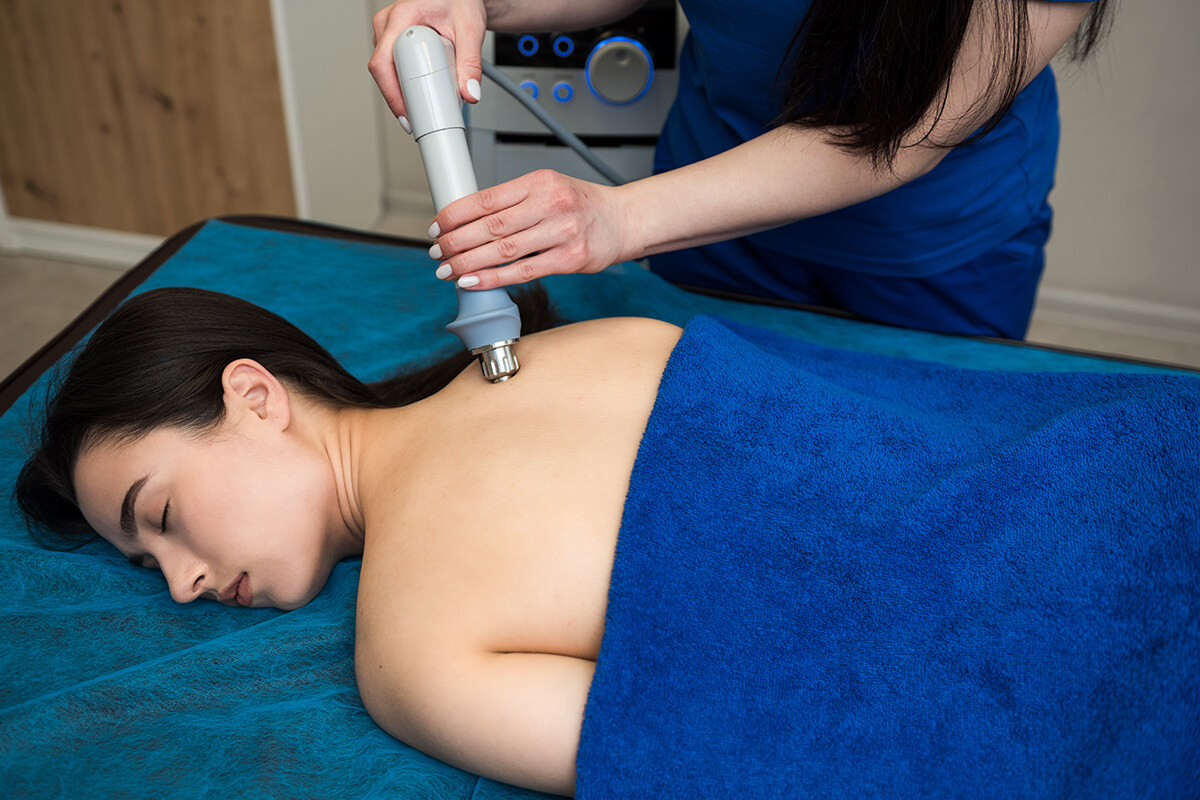
Shockwave therapy delivers focused sound waves to injured areas, encouraging tissue repair and healing without invasive procedures by activating the body’s natural recovery processes.
- Focused or radial sound waves are directed at the affected area.
- These waves create microtrauma in the tissue, triggering increased blood flow and tissue regeneration.
- Pain and inflammation are reduced as the body repairs the damaged tissue.
- Commonly treated conditions include plantar fasciitis, tendonitis, and calcific shoulder tendinopathy.
- Each session typically lasts 15–30 minutes, depending on the size and location of the treatment area.
Benefits of Shockwave Therapy
Benefits of Shockwave Therapy
Shockwave therapy offers several advantages for patients looking to relieve pain and improve recovery without surgery.
- Speeds Up Healing: Shockwave therapy stimulates tissue repair and helps accelerate recovery for chronic conditions.
- Non-invasive Treatment: The therapy is non-invasive, allowing patients to continue their daily activities with minimal disruption.
- Reduces Pain Naturally: It helps manage pain effectively without relying heavily on medications.
- Targets Stubborn Pain Areas: Shockwave therapy provides focused relief for conditions that have not responded well to other treatments.
- Supports Overall Function: The treatment improves mobility and flexibility in the affected areas, enhancing overall physical function.
Limitations of Shockwave Therapy
While shockwave therapy offers many benefits, it is not suitable for all patients and has some limitations. Understanding these can help set realistic expectations for treatment.
- Not Suitable for Everyone: Patients with certain conditions, such as blood disorders or pregnancy, may need to avoid shockwave therapy.
- Possible Discomfort During Sessions: Some patients experience mild pain, redness, or bruising during or after treatment.
- Multiple Sessions are Often Needed: Achieving optimal results usually requires several treatments over a period of time.
- May Need Complementary Therapies: Combining shockwave therapy with physiotherapy or other rehabilitation methods is often necessary for long-term recovery.

What Traditional Physiotherapy Actually Does
Traditional physiotherapy remains a widely trusted approach for musculoskeletal recovery. It involves assessment, exercises, and manual therapy to restore movement, strength, and function. Physiotherapy helps address not only pain but also the underlying cause of movement limitations.
How Traditional Physiotherapy Works
Traditional physiotherapy helps patients recover from injuries and improve mobility through personalized exercises and hands-on treatment. It focuses on restoring function, reducing pain, and preventing future injuries.
- The physiotherapist evaluates the injury, movement limitations, and overall physical function to create an accurate treatment plan.
- Based on the assessment, the physiotherapist develops exercises that may include stretching, strengthening, and posture correction.
- Hands-on methods, such as joint mobilization and soft tissue manipulation, are applied to reduce pain and improve mobility.
- Patients are taught exercises to perform at home to reinforce therapy and support long-term recovery.
- The treatment plan is regularly updated based on progress and changing needs to ensure optimal results.
Benefits of Traditional Physiotherapy
Traditional physiotherapy offers multiple advantages for patients recovering from injuries or managing chronic conditions. It not only addresses pain but also helps restore movement and function.
- Improves Mobility: Physiotherapy helps increase joint flexibility and range of motion, making everyday activities easier.
- Builds Strength: Targeted exercises strengthen muscles, which supports injured areas and prevents future injuries.
- Reduces Risk of Re-injury: Patients learn safe movement patterns that protect against strain and repetitive stress.
- Supports Post-surgical Recovery: Therapy aids in regaining function and speedier recovery after surgical procedures.
- Provides Education on Posture and Ergonomics: Patients gain knowledge to improve posture, reduce strain, and maintain long-term physical health.
Limitations of Traditional Physiotherapy
While traditional physiotherapy is effective for many patients, it has some limitations that should be considered. Understanding these helps set realistic expectations for recovery.
- Slower Results: Physiotherapy often requires several weeks or months before noticeable improvements are seen.
- Requires Patient Consistency: Success depends on regularly attending sessions and performing exercises at home as prescribed.
- May be Less Effective for Chronic Conditions: Long-standing or stubborn injuries may respond slowly to physiotherapy alone.
- Sometimes Needs Complementary Treatments: Patients with persistent pain may benefit from adjunct therapies, such as shockwave therapy in Ontario, for faster relief.
Comparing Shockwave Therapy and Traditional Physiotherapy
Understanding the differences between shockwave therapy near me and traditional physiotherapy helps patients make informed choices. Effectiveness depends on the type and severity of the condition, as well as patient preferences. We can compare these approaches based on recovery speed, patient experience, and long-term benefits.
- Speed of Recovery
Shockwave therapy generally provides faster pain relief for chronic conditions. Patients often notice improvements after just a few sessions. In contrast, traditional physiotherapy typically produces gradual improvement over several weeks or months, making it a slower but steady option.
- Effectiveness for Chronic vs. Acute Conditions
Chronic conditions like tendonitis or plantar fasciitis often respond well to radial shockwave therapy in Ontario or focused treatments. Acute injuries or post-surgical recovery generally benefit more from traditional physiotherapy, which strengthens muscles and restores functional movement. Combining both approaches can sometimes deliver optimal results.
- Patient Experience and Comfort
Shockwave therapy sessions are brief, but patients may experience mild discomfort during treatment. Traditional physiotherapy sessions can be longer and require active participation, including exercises at home. While shockwave offers targeted relief, physiotherapy provides a more comprehensive approach to recovery.
- Long-Term Benefits
Traditional physiotherapy builds long-term strength and function, reducing the likelihood of reinjury. On the other hand, focused shockwave therapy in Ontario can enhance the effects of physiotherapy but may require follow-up sessions for sustained relief. Patients often achieve the best results when treatments are tailored to their specific needs.
When to Choose One Over the Other
Deciding between shockwave therapy and traditional physiotherapy depends on your specific condition, pain level, and recovery goals. Understanding the strengths of each approach can help you choose the most effective treatment.
- Shockwave Therapy for Chronic Tendon Pain: Shockwave pain relief in Ontario is ideal for stubborn conditions like plantar fasciitis or tendonitis that haven’t responded to exercise or conventional therapy.
- Traditional Physiotherapy for Post-surgical Recovery: Physiotherapy helps restore strength, mobility, and function after surgery or acute injuries.
- Use Physiotherapy for Long-term Mobility Improvement: It builds strength, improves posture, and reduces the risk of future injuries through guided exercises and education.
- Combine Both Treatments for Optimal Results: Some patients benefit from using shockwave therapy to manage pain while continuing physiotherapy to strengthen and rehabilitate affected areas.

Get Targeted Relief at Oriole Physiotherapy & Rehabilitation Centre Today
For personalized care and effective treatment options, visit Oriole Physiotherapy & Rehabilitation Centre. Our team offers tailored programs combining physiotherapy and shockwave therapy services to help you regain mobility and reduce pain. Contact us to book an appointment at our North York physiotherapy clinic today, and start your path to faster recovery with professional guidance.