

How Spinal Decompression Helps Sciatica and Lower Back Pain
Sciatica and lower back pain can make even simple tasks feel hard. Many people live with daily discomfort because they are unsure what is causing it or how to treat it. One option that often comes up in conversation is spinal decompression, a treatment designed to reduce pressure inside the spine and ease nerve pain.
Why Sciatica and Lower Back Pain Happen in the First Place
Sciatica and lower back pain often start with pressure inside the spine. That pressure can build slowly over time due to wear and tear, poor posture, or injury. To understand how treatment works, it helps to first understand what is going wrong.
What Is Sciatica?
Sciatica is pain that travels along the sciatic nerve, which runs from the lower back down through the hips and legs. It usually happens when a spinal disc presses on a nerve root in the lower spine. As a result, you may feel sharp pain, tingling, numbness, or weakness in one leg.
Unlike general back pain, sciatica often affects only one side of the body. The pain may worsen when sitting for long periods or when standing up from a chair. Over time, untreated nerve pressure can make daily movement harder.
Common Causes of Lower Back Pain
Lower back pain can develop from daily habits, sudden injuries, or gradual changes in the spine. While the discomfort may feel similar, the underlying causes often differ from person to person.
- Muscle or Ligament Strain: Lifting heavy objects, twisting suddenly, or overusing the back muscles can lead to small tears in soft tissues. These strains often cause stiffness, soreness, and limited movement.
- Bulging or Herniated Discs: Spinal discs can shift out of place or rupture, pressing on nearby nerves. This pressure may trigger localized back pain or radiating symptoms into the legs.
- Poor Posture: Slouching while sitting or standing places uneven stress on the lower spine. Over time, this added strain can weaken muscles and contribute to chronic pain.
- Prolonged Sitting: Sitting for long periods compresses the lower back and tightens surrounding muscles. Without regular movement, pressure builds and stiffness increases.
How Nerve Compression Develops Over Time
Nerve compression rarely happens overnight. In most cases, it develops gradually as structural changes build up inside the spine.
- Disc Dehydration and Wear: Spinal discs naturally lose water as we age. As they become thinner and less flexible, they provide less cushioning between vertebrae, which increases internal pressure.
- Disc Bulging or Herniation: When a weakened disc pushes outward, it can extend into spaces where nerves travel. This added pressure may irritate or compress nearby nerve roots.
- Reduced Space Between Vertebrae: As discs lose height, the gap between spinal bones narrows. With less room available, nerves can become pinched more easily.
- Inflammatory Response: Ongoing pressure on a nerve triggers inflammation in the surrounding tissues. This swelling increases sensitivity and amplifies pain signals sent to the brain.
- Muscle Tightening and Guarding: In response to pain, nearby muscles may tighten to protect the area. However, this protective tension can add further pressure to the spine, worsening the cycle over time.
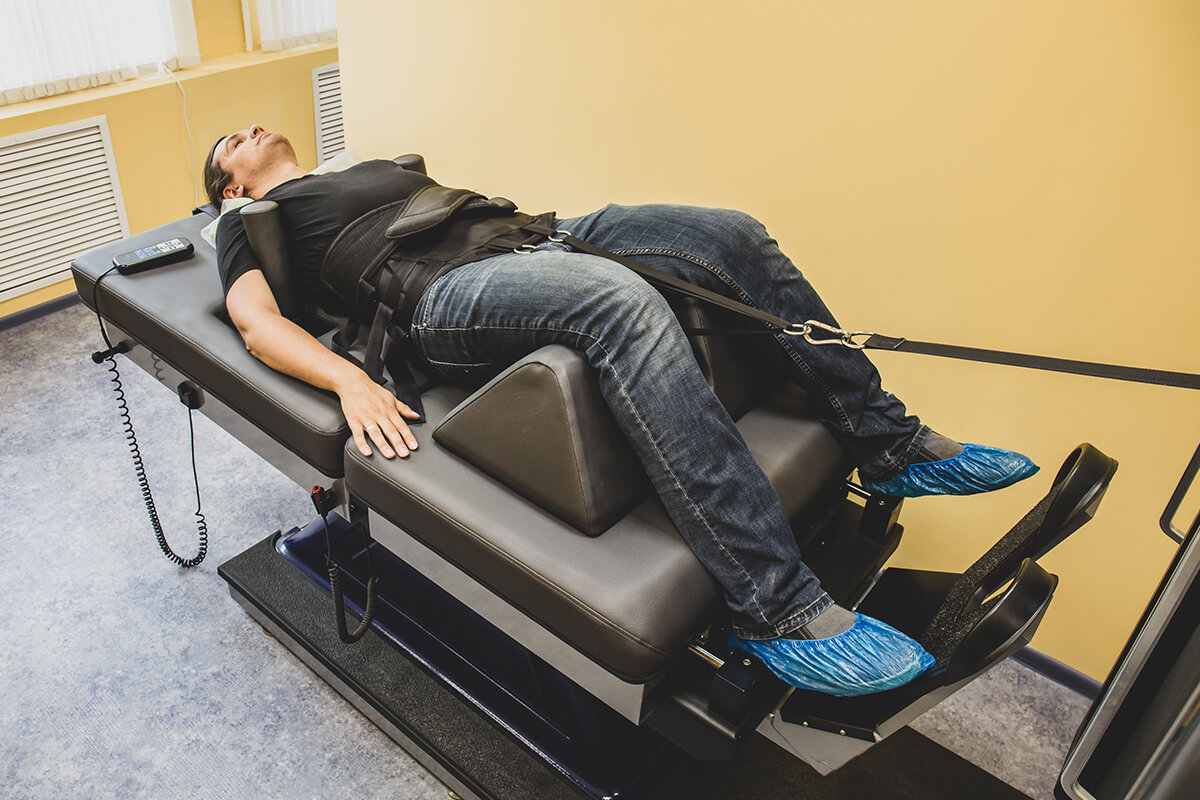
What Is Spinal Decompression Therapy?
Now that we know how nerve pressure forms, we can look at how it is treated. One conservative option is spinal decompression therapy, which aims to gently stretch the spine. This controlled movement creates space between vertebrae and reduces disc pressure.
Many patients prefer this approach because it does not involve surgery. Instead, it focuses on improving the body’s natural healing process. Let’s break down how it works.
A Simple Explanation of the Treatment
Spinal decompression in North York is performed on a specialized motorized table. During the session, the lower body is secured with a harness while the table applies gentle traction. This traction carefully stretches the spine in a slow, controlled way.
Unlike sudden movements, this process is gradual. The settings are adjusted based on your condition and comfort level. The goal is steady relief, not force.
How the Process Works
Spinal decompression follows a controlled, step-by-step method designed to reduce pressure inside the spine. Each stage builds on the previous one to support gradual relief and healing.
- Gentle Spinal Stretching: The treatment begins with slow, controlled traction applied to the lower spine. Gentle lower back stretches separate the vertebrae slightly, creating more space within the spinal column.
- Reduction of Intradiscal Pressure: As the spine lengthens, pressure inside the discs decreases. This change reduces the outward force placed on nearby nerves.
- Disc Retraction: With lower internal pressure, bulging or displaced disc material may shift back toward its normal position. This movement can ease irritation on compressed nerve roots.
- Improved Circulation and Nutrient Flow: The change in pressure encourages oxygen, water, and nutrients to move into the disc space. Better circulation supports tissue repair and disc health over time.
- Gradual Healing Through Repetition: The process is repeated over multiple sessions to reinforce progress. Consistent treatment allows the body to adapt and recover steadily rather than relying on a single visit.
The Science Behind Spinal Decompression
To understand why this works, we need to look at what happens inside the disc. Spinal discs lack a robust blood supply. Instead, they rely on movement to draw in nutrients and fluids.
When pressure is constant, this exchange becomes limited. Over time, discs dry out and weaken. Controlled traction can help change that.
- Lowering Pressure Inside the Disc
High pressure inside a damaged disc pushes outward against nearby nerves. When traction reduces that pressure, the force on the nerve decreases. As a result, pain may lessen.This change does not happen instantly. However, repeated sessions can gradually reduce irritation. That steady progress is often what patients notice first.
- Encouraging Disc Rehydration and Nutrient Flow
When pressure drops, fluid can move back into the disc space. This helps restore some of its natural cushioning ability. Better hydration also supports tissue repair.Although discs do not fully regenerate, improved nutrition can slow further damage. In that way, non surgical spinal decompression works with the body rather than against it.
- Calming Inflammation Around the Nerves
Nerve compression triggers inflammation, which increases pain sensitivity. When the mechanical stress is reduced, inflammation often settles down. That leads to fewer sharp pain signals.As swelling decreases, normal nerve function may improve. Patients may notice less tingling or numbness. These changes usually build over time.
How Spinal Decompression Helps Relieve Sciatica
Sciatica often feels intense because it involves a large nerve. Therefore, easing pressure on that nerve is a key goal of care. This is where spinal decompression treatment may play a role.
- Creating Space Around the Sciatic Nerve
Traction gently increases the space between vertebrae. This extra space reduces compression on the nerve roots that form the sciatic nerve. As pressure drops, radiating leg pain may decrease.Many patients report that leg pain improves before back pain does. That is often a positive sign that nerve irritation is settling.
- Easing Tingling, Numbness, and Weakness
When nerve signals travel more freely, abnormal sensations may fade. Tingling and numbness can lessen gradually as inflammation decreases. In some cases, muscle strength improves as well.However, recovery depends on how long the nerve has been compressed. Long-term cases may need more sessions and added exercises. Consistency remains important.
- Supporting Long-Term Stability
Relief is only part of the goal. Strengthening the core muscles helps protect the spine after treatment. When combined with posture changes, this approach may reduce future flare-ups.Because of this, therapy plans often include exercise guidance. That combined approach supports longer-lasting comfort.
How Spinal Decompression Helps Reduce Lower Back Pain
Lower back pain without leg symptoms can still involve disc pressure. By reducing internal stress within the spine, treatment may ease stiffness and soreness. In spinal decompression in Ontario, this approach is commonly used in rehabilitation settings.
- Targeting Disc-Related Back Pain
Disc bulges can irritate nearby tissues even without severe nerve compression. When traction reduces pressure, these tissues may calm down. As a result, daily movements feel easier. Patients often notice improved flexibility. This makes bending and standing less painful.
- Improving Spinal Alignment and Joint Movement
Gentle stretching promotes better spacing between vertebrae. That spacing reduces strain on small joints in the spine. When joints move more freely, surrounding muscles relax.Over time, this improved movement pattern supports comfort. It also reduces the risk of repeated strain.
- Restoring Mobility and Daily Comfort
Pain often limits activity, which then weakens muscles. When discomfort decreases, people move more confidently. That movement supports circulation and joint health.As strength and flexibility improve, daily tasks become easier. This creates a positive cycle of recovery.

Get Back to Daily Comfort with Oriole Physiotherapy & Rehabilitation Centre
If you are dealing with ongoing back or leg pain, professional guidance matters. At Oriole Physiotherapy & Rehabilitation Centre, care begins with a full assessment to understand your specific condition. As a trusted North York physiotherapy clinic, the team provides personalized plans that may include decompression and rehabilitation exercises.
Book an appointment today to learn whether this approach is right for you. Early care can reduce long-term discomfort and help you move with greater confidence. Let Oriole Physiotherapy & Rehabilitation Centre support your path toward lasting relief. Contact us today to book an appointment.