
How Shockwave Therapy Speeds Up Recovery for Athletes
Athletes are constantly pushing their bodies, which increases the risk of injuries ranging from mild strains to chronic tendon issues. Shockwave therapy has emerged as a highly effective treatment to accelerate healing and reduce pain. In this article, we will discuss how it works, the types of injuries it treats, and the benefits athletes can expect.
What is Shockwave Therapy
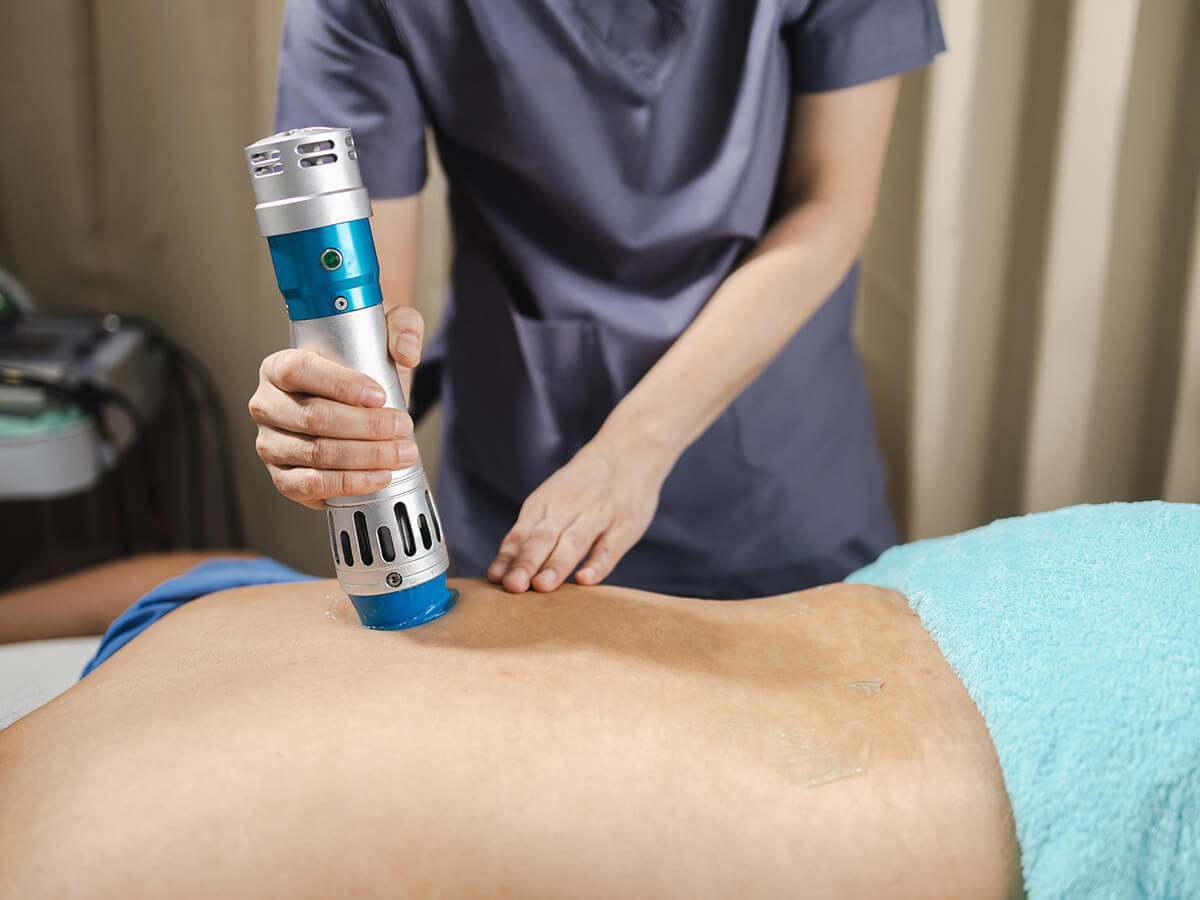
Shockwave therapy is a non-invasive treatment that uses high-energy acoustic waves to stimulate tissue healing. Originally used for breaking down kidney stones, it has evolved into a valuable solution for musculoskeletal injuries. Athletes increasingly turn to this therapy to manage chronic pain and support faster recovery.
- Mechanism of Action
The therapy works by stimulating blood circulation and cellular repair in the affected areas. This process helps damaged tissues heal faster and reduces inflammation. Cells respond to the microtrauma caused by shockwaves, which encourages natural repair processes.
- Types of Shockwaves
There are two main forms: radial and focused. Radial shockwave therapy in Ontario is ideal for superficial injuries, while focused shockwave therapy penetrates deeper, targeting specific tissues. Each type addresses different injury locations and severity levels effectively.
- Treatment Procedure
A typical session lasts 15–20 minutes and is performed without surgery or needles. Patients might feel a mild tingling or pressure, but the discomfort is generally minimal. This makes it a convenient solution for athletes who want to maintain their training schedules.
Understanding how shockwave therapy near me works allows athletes to choose the right treatment option and set realistic expectations for recovery. Proper knowledge also ensures adherence to therapy sessions for maximum benefit.
Common Sports Injuries Treated with Shockwave Therapy
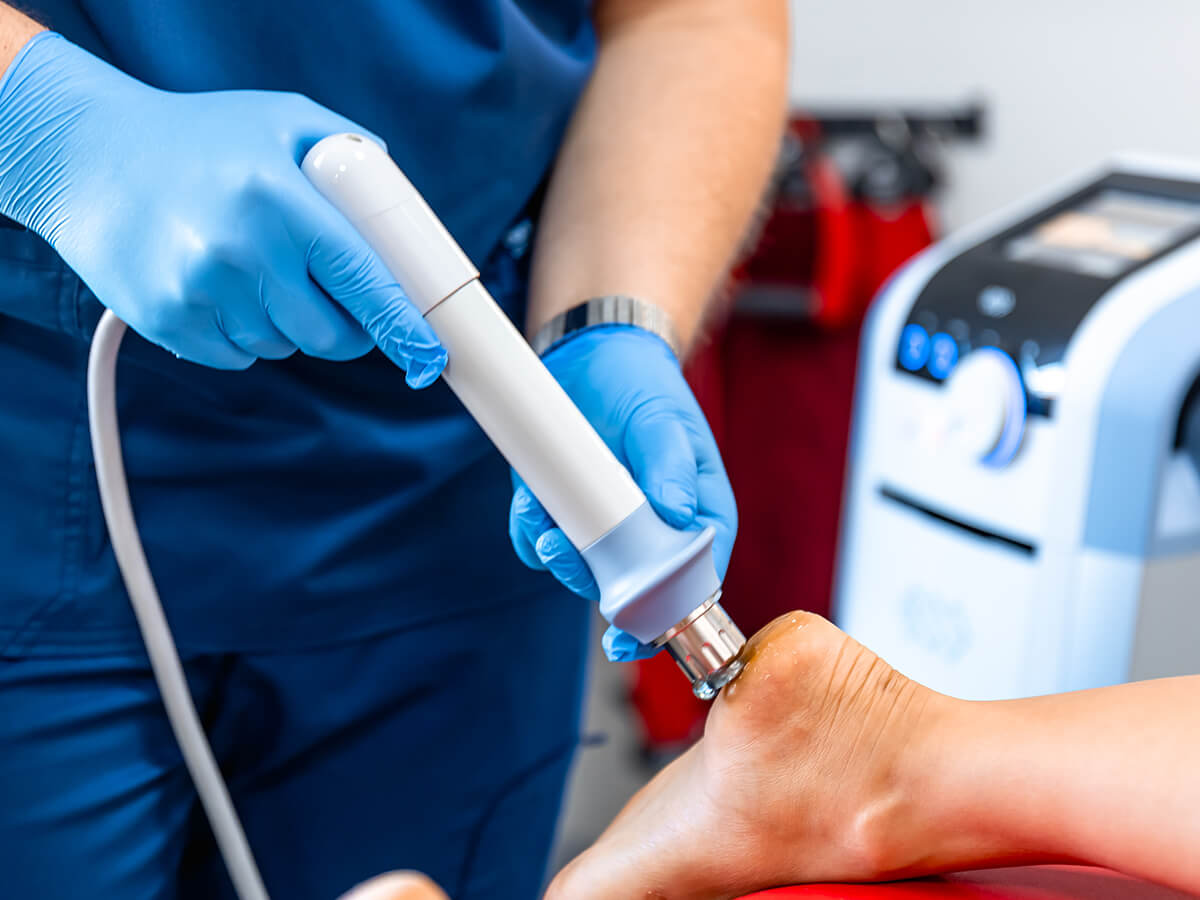
Athletes frequently experience injuries that can interrupt training and performance. Shockwave therapy in Ontario is particularly effective for conditions that are slow to heal with standard treatments. It can be used for both acute injuries and long-standing chronic issues.
- Plantar Fasciitis
This condition causes severe heel pain, especially in runners. Shockwave therapy breaks down scar tissue, improves blood flow, and reduces inflammation, allowing athletes to return to activity sooner. - Achilles Tendinopathy
Chronic inflammation of the Achilles tendon can limit performance. Shockwave treatment promotes tendon regeneration and accelerates healing, shortening the typical recovery period. - Patellar Tendinitis
Common in jumpers and runners, patellar tendinitis can be persistent and painful. Therapy improves circulation to the tendon, reducing pain while restoring flexibility and strength. - Shoulder and Rotator Cuff Injuries
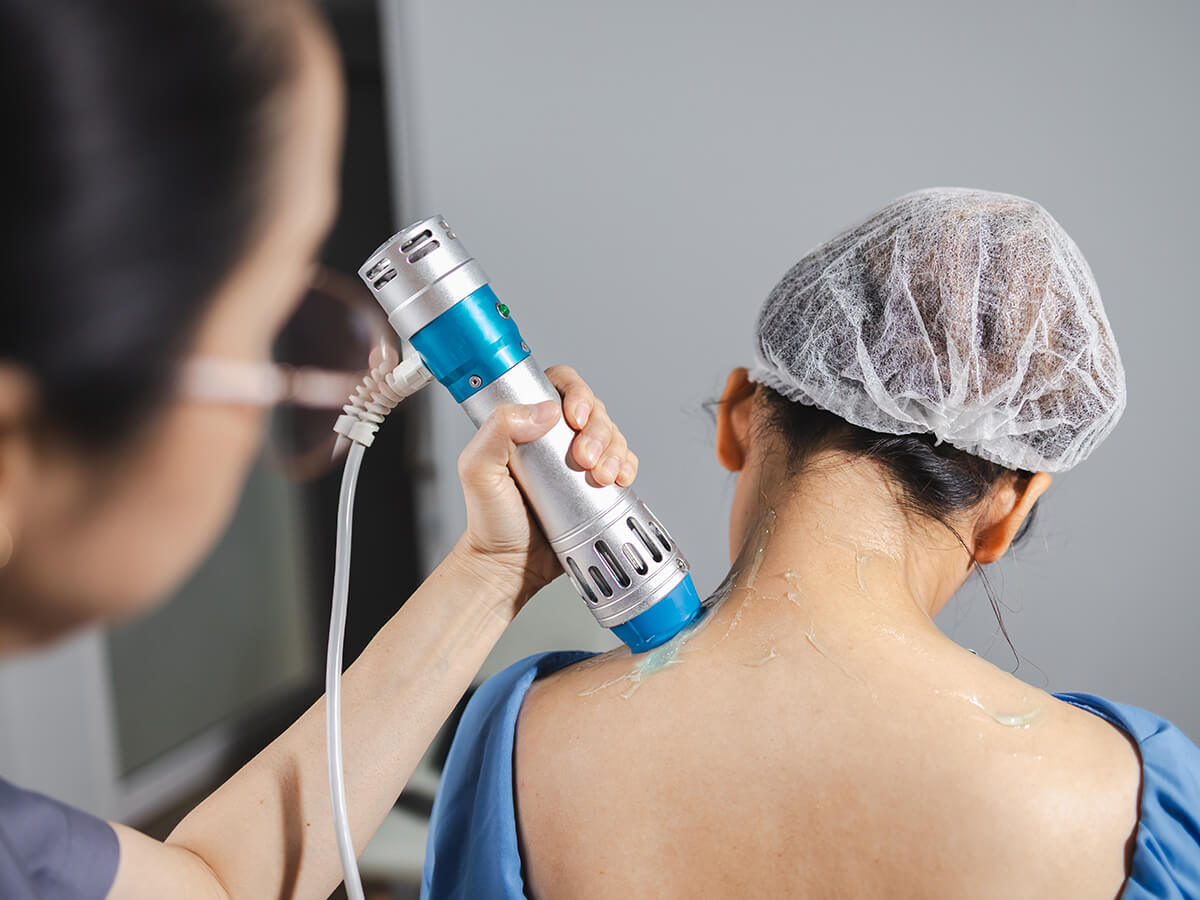
These injuries reduce range of motion and cause persistent discomfort. Focused shockwave therapy in Ontario stimulates tissue repair and improves shoulder mobility for better athletic performance. - Other Soft Tissue Injuries
Muscle strains, IT band syndrome, and chronic joint pain respond well to shockwave therapy. This treatment enhances tissue regeneration and supports long-term recovery while reducing the risk of reinjury.
For athletes with recurring or stubborn injuries, adding shockwave therapy to their recovery plan can make a noticeable difference in both healing time and performance outcomes.
Benefits of Shockwave Therapy for Athletes
Athletes need recovery methods that are fast, effective, and safe. Shockwave and physiotherapy offer multiple advantages that go beyond simple pain relief. Understanding these benefits highlights why it has become a preferred choice for many in sports medicine.
- Accelerated Healing: Shockwaves increase blood flow and stimulate cellular activity in damaged tissues. This promotes faster healing and allows athletes to return to training sooner.
- Non-Invasive Treatment: Unlike surgery or injections, therapy is painless and does not require recovery downtime. Athletes can continue light training during their treatment period.
- Pain Reduction: Chronic pain diminishes as shockwaves break down scar tissue and stimulate the release of natural pain-relieving chemicals. This allows athletes to train more comfortably and reduce reliance on medication.
- Improved Mobility and Flexibility: Regular sessions enhance joint range of motion, which is critical for performance. Flexible muscles and tendons help prevent further injuries.
- Prevention of Future Injuries: Shockwave therapy strengthens tissue resilience, lowering the risk of recurring injuries in commonly affected areas. Athletes gain long-term benefits that extend beyond immediate recovery.
Overall, shockwave therapy delivers faster recovery and improved athletic performance, making it a valuable addition to any sports medicine regimen.
What to Expect During Shockwave Therapy Sessions
Understanding the treatment process helps athletes feel more comfortable and confident. Shockwave therapy services are straightforward and generally well-tolerated. Knowing what to expect ensures athletes can plan their recovery efficiently.
- Initial Assessment: A physiotherapist evaluates the injury, assesses severity, and determines the appropriate intensity. Tailored treatment ensures safety and effectiveness.
- Session Duration and Frequency: Sessions typically last 15–20 minutes, one to three times per week, over several weeks. Consistent attendance is crucial to achieving the best results.
- Sensation During Treatment: Patients may feel pressure, tingling, or mild discomfort. This sensation usually subsides quickly and is considered a normal part of the healing process.
- Post-Treatent Care: Light activity and stretching are often recommended. Ice or anti-inflammatory measures can help alleviate any temporary soreness.
Athletes who understand the process are better prepared to follow post-treatment guidance, which improves overall recovery and treatment success.
Integrating Shockwave Therapy with Athletic Recovery Plans
While shockwave therapy accelerates healing, combining it with other recovery strategies enhances results. A balanced recovery plan ensures athletes regain strength and reduce the risk of reinjury.
- Physical Therapy: Complementing therapy with targeted exercises improves muscle strength and flexibility. This approach supports long-term recovery and injury prevention.
- Proper Nutrition: Adequate protein and nutrient intake support tissue repair. Nutrition plays a vital role in maximizing therapy effectiveness.
- Rest and Sleep: Sufficient rest allows the body to heal naturally. Sleep supports cellular repair and helps athletes maintain energy for training.
- Preventive Training: Warm-ups, mobility drills, and conditioning reduce the likelihood of injuries. Integrating these practices alongside therapy enhances performance and resilience.
- Regular Monitoring: Physiotherapists assess progress and adjust treatment intensity if needed. Frequent check-ins ensure optimal outcomes and keep recovery on track.
Combining Radial shockwave therapy Ontario or focused therapy with these strategies creates a comprehensive plan that maximizes recovery and helps athletes stay active.
Who Should Consider Shockwave Therapy
Shockwave therapy is not only for professional athletes but also for active individuals experiencing persistent pain. Knowing who benefits most ensures safe and effective use of the treatment.
- Athletes with Chronic Pain: Tendonitis, plantar fasciitis, and recurring soft tissue injuries respond well. Therapy reduces discomfort and improves function.
- Professional and Amateur Athletes: Anyone engaging in high-impact sports or intense training can benefit. Faster recovery supports consistent performance.
- Individuals Avoiding Surgery: Non-invasive therapy offers a safer alternative to surgical procedures for many injuries. Patients often experience improvement without the risks of an operation.
- Patients with Specific Health Considerations: Those with blood clotting disorders, infections, or other medical conditions should consult a healthcare professional first. Safety should always come first.
By identifying who should pursue therapy, athletes and active individuals can use Shockwave pain relief Ontario safely while achieving the fastest possible recovery.
Restore Your Performance with Oriole Physiotherapy & Rehabilitation Centre
Athletes and active individuals in need of fast recovery should consider professional guidance. Visit Oriole Physiotherapy & Rehabilitation Centre, a trusted North York physiotherapy clinic, for personalized treatment plans. Our experts provide tailored shockwave therapy sessions and integrated rehabilitation programs to help you return to peak performance safely and efficiently. Call us at (416) 221-0772 today to book your session.